
 Posted by
 Human bust sculptures have a rich history that dates back to ancient Indian civilisations and continues to be a respected art form even today. In India, people believe that a marble human bust holds deep spiritual and emotional significance and often use it to honor a life beyond physical presence.
Not too long ago, artists mainly created human busts to honor revered sadhus, spiritual gurus, or respected public figures. Today, however, this tradition has taken on a more personal meaning. Many families now commission marble human busts of loved ones who have passed away, not as symbols of loss, but as a way to preserve their memory and presence within the home.

Although artists can create human busts from many materials, they still choose marble as the top option for a lasting memorial. So, let’s today understand how the marble human bust helps preserve identity and memory through sculpture.
What is the Purpose Behind Creating Human Busts?
The purpose behind creating a human bust is to keep a person’s memory alive in a respectful and meaningful way. In Hindu traditions and Puranic teachings, artisans made sculptures to keep people connected to divine wisdom. For instance, a sadhu Sant statue is carved so people can remember the life of discipline, prayer, and service. Artists typically create these statues for temples, ashrams, and public spaces, giving people places to sit quietly and reflect. A Guru marble statue helped followers feel connected to their teacher and remember the teachings that guided their lives.
Human busts were also created to honour sacrifice and bravery. A shahid statue is a sign of respect for those who gave their life for duty, truth and motherland. Elders often tell stories in front of such statues, helping children understand the value of courage and responsibility.
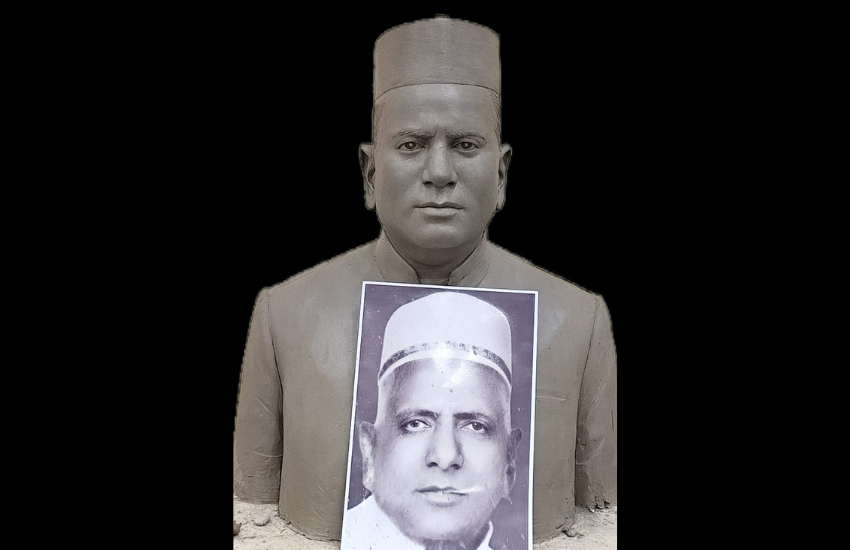
Today, families choose to create a marble human bust statue of parents, leaders, or respected elders. It helps future generations see the face behind the stories they hear. The statue becomes a part of family history.
Why is Marble Ideal for Expressing Human Character in a Bust?
Marble has always been the preferred material for sculptors when it comes to showing the true character of a person in a bust. A good sculptor knows that a human face holds stories. Lines on the forehead, the curve of the lips, and the shape of the eyes all tell a tale. Marble has a quiet strength that allows every small detail to come alive. It can hold fine curves and gentle textures without breaking or chipping.
The smoothness of marble allows the sculptor to work carefully, capturing even the smallest feature. When people see a standing human bust, they can feel the personality and emotions as if the person is present before them.
Marble is also strong and durable. A human full marble statue can stand for centuries without losing its form. The material allows sculptors to show both strength and gentleness, making it perfect for characters who were brave, wise, or compassionate.
How Does the Carving Process Influence Emotional Depth?
The carving process has a deep influence on the emotional depth of a human bust. Emotional expression in stone does not appear at the final stage. It develops gradually through careful planning and skilled handwork.
The early stage of carving defines the structure and posture. The angle of the head, the alignment of the neck, and the overall balance decide how the figure will be perceived. When the posture is stable and composed, a sitting human bust statue often reflects stillness and inner control, qualities associated with saints, scholars, and spiritual guides.
As the work progresses, attention shifts to facial details. The eyes play the most important role in expressing emotion. Depth, spacing, and curvature of the eyelids influence how alive the face appears. Gentle shaping of the lips and cheeks adds life, while controlled lines on the forehead suggest thought and experience. A skillfully finished marble human bust statue carries emotion in a subtle and dignified manner.
Why Does Hand-Carving Matter in Expressive Busts?
In traditional Indian sculpture, as explained in old shilpa shastras and puranic stories, hand-carving has always been important. The sculptor works with patience and focus. Stone responds differently to every touch. Only a human hand can feel these small changes while carving.
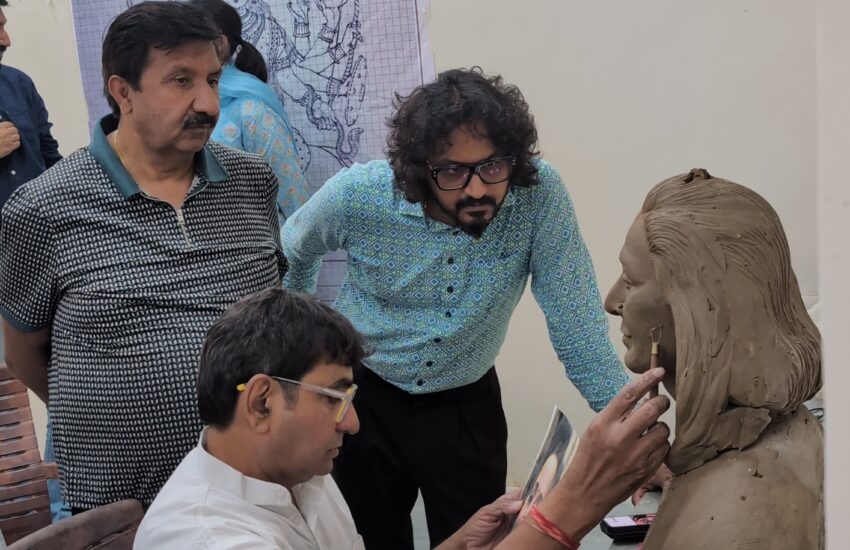
When a bust is carved by hand, the process is slow and deliberate. The sculptor studies the face repeatedly, shapes the eyes with precision, gently adjusts the lips, and refines the cheeks step by step. Because of this slow process, emotion settles naturally into the stone. This is how a bust shows calmness, dignity, or inner strength in a natural way.
Hand-carving also allows changes at every stage. Marble has its own grain and flow. An experienced sculptor knows where the stone is hard and where it needs softness. This knowledge comes through years of practice and family tradition. Machines cut along fixed paths, but a chisel requires understanding and judgment. That difference clearly appears in the final face.
In Hindu tradition, making a murti was seen as a respectful and disciplined act. The act of carving became a form of discipline, similar to meditation. This method helped keep the form pure and the expression balanced.
Conclusion
Human busts hold lasting value because they preserve memories and values that people wish to pass forward. When carved with proper material and hand-carving skill, a bust becomes a quiet storyteller. Marble supports this purpose by preserving fine details and emotional balance for generations.
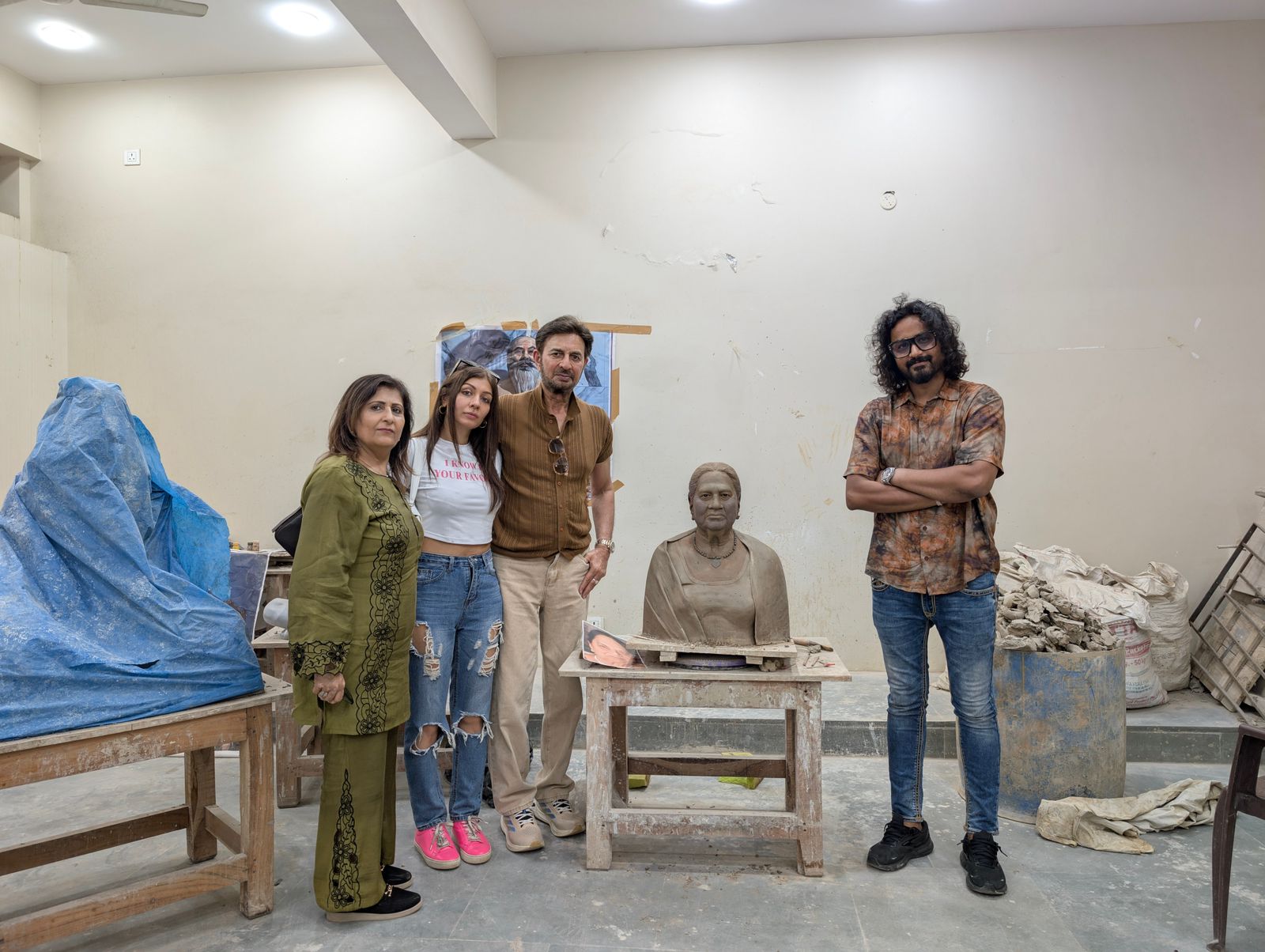
Skilled artisans actively craft these works, drawing on cultural insight and showing deep respect for the person they represent. At Pandey Moorti Bhandar, this belief guides every stage of creation. The focus remains on thoughtful carving, careful finishing, and honest expression rooted in traditional practice.
As a trusted marble human bust manufacturer in Jaipur, the emphasis remains on accuracy, expression, and long-term quality rather than speed. Each bust we carve carries meaning within its form, allowing families, institutions, and public spaces to honour individuals in a way that feels natural and respectful.
FAQs
Why is Marble Preferred Over Other Materials for Busts?
Marble is valued for its natural strength, fine grain, and smooth surface. It allows detailed hand-carving and holds expressions clearly for generations. Over time, marble ages gracefully, making it suitable for preserving form and emotion together.
Are Marble Human Busts Always Realistic?
Artists create marble human busts to capture character, not just exact physical likeness. The level of realism depends on the purpose, reference material, and artistic approach. Some busts focus on lifelike features, while others highlight calmness or dignity.
How Long Does It Take to Create a Marble Human Bust?
The time required depends on size, detailing, and carving method. A carefully hand-carved marble bust usually takes several weeks. Complex expressions and fine finishing can extend the process, as each stage requires patience and controlled work.
Do Marble Human Busts Need Special Maintenance?
Marble busts require minimal care. Regular dusting with a soft cloth is sufficient. One should protect them from harsh chemicals and constant moisture. With simple care, marble retains its finish and structure for many years.
Can Marble Human Busts be Customised?
Yes, marble human busts can be fully customized. Sculptors use photographs, descriptions, and preferred postures, adjusting details like facial expressions, clothing styles, and base designs to capture the personality and purpose behind the bust.