
 Posted by
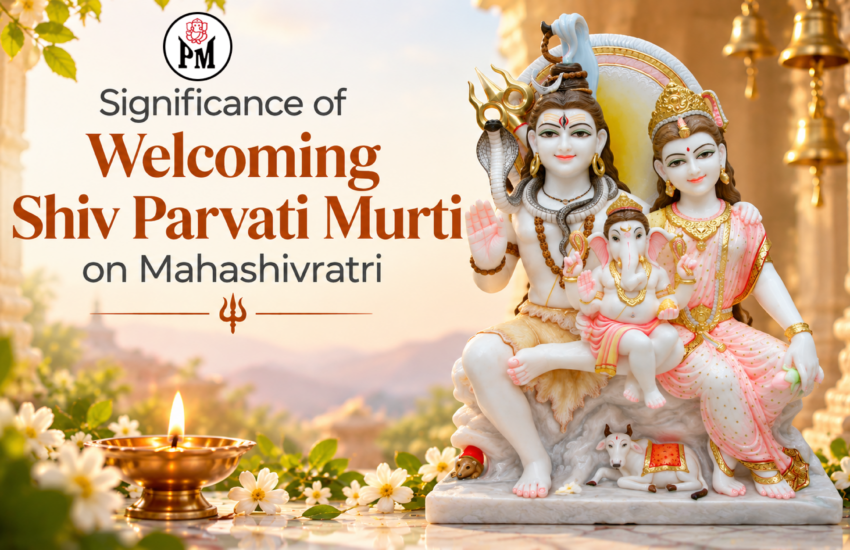
The festive spirit of the Mahashivratri celebration and the significance of this sacred day for Shiv bhakts is something that is hard to express in words. It’s only the devotees who know the joy, devotion, and divine bliss associated with this auspicious occasion. Along with prayers, Abhisheks, and special offerings, there is no other day as auspicious as Shivratri to welcome Shiv Parvati murti at home.
The addition of the Gaurishankar idol to the home on this sacred day is believed to invite positivity and divine blessings into the environment. Meanwhile, understanding the significance of Shiv Parvati puja on Shivratri further adds to the meaning and value of this festival.
With his knowledge of Puranas and Granthas, Satya Narain Pandey will share the story behind Shivratri, the significance of Shiv Parvati murti and the correct way to do Shivratri puja. So, let’s start with the fascinating story behind Mahashivratri celebrations.
Why Do We Celebrate Shivratri?
There is not one but many reasons to celebrate Mahashivratri, based on several Puranic stories and regional traditions. Mahashivratri, which means The Great Night of Shiva, is a festival dedicated to Lord Shiva, with devotees keeping fasts, performing Abhishek, special prayers and chanting mantras.
The festival also marks some major spiritual and mythological events, such as
- Divine Marriage of Shiva and Parvati: The most common belief associated with Mahashivratri is the marriage of Lord Shiva with Goddess Parvati. Their divine union is mentioned in the Shiva Purana, Rudra Samhita, Parvati Khanda, Chapter 48 and is seen as a symbolic union of consciousness and divine energy.
- Lingodbhava: According to the Linga Purana, Mahashivratri was the day when Lord Shiva appeared as an infinite pillar of light (Jyotirlinga). Although Lord Brahma and Lord Vishnu, in order to establish their supremacy, tried to find its beginning and end, they could not, which highlights Shiva’s boundless nature.
- The Cosmic Dance (Tandava): Some ancient traditions also associate Mahashivratri with Shiva’s Ananda Tandava. Shiv Tandava represents the cosmic process of creation, preservation and destruction.
- Consuming the Halahala Poison: According to the Srimad Bhagavatam, Canto 8, Chapter 7, verses 18–43, Lord Shiva stepped forward to drink the deadly Halahala poison during the churning of the ocean of milf (Samudra Manthan) in order to protect all living beings.
- The Hunter’s Story: There is also a popular story of a hunter named Gurudruha, who unknowingly worshipped a Shiva Lingam and stayed awake through Shivratri. He stayed on a Bilva tree to find prey for his starving family, and the water he carried and the leaves of the tree landed on the Shiva Lingam beneath him, thereby unknowingly performing Shivratri worship. The story highlights the spiritual significance of Shivratri observance.
Significance of Worshipping Shiv Parvati Idol on Mahashivratri
Worshipping a marble Shiv Parivar murti on Mahashivratri is believed to connect devotees with divine love and positive vibes.
Here is some symbolic significance of Shivratri:
1. A Reminder of Marital Harmony
The marriage of Mata Parvati and Lord Shiva is an important event associated with Mahashivratri. The devotion and determination of Goddess Parvati to win Lord Shiva as a husband is central to this sacred story. Their divine union is described in the Shiva Purana, Rudra Samhita, and Parvati Khanda.
For married couples, the worship of the Shiv Parvati idol blesses them with commitment, patience, trust and mutual respect. It is a special day to pray for harmony in married life.
Many devotees worship the Gaurishankar idol, the combined form of Lord Shiva and Parvati, seeking the blessings of togetherness and a happy family life. However, it is important to understand that the worship itself does not guarantee that every marital difficulty will disappear immediately.
2. An Auspicious Beginning
Mahashivratri is one of the most important festivals in Hindu traditions. Devotees of Lord Shiva celebrate it with great respect and devotion by keeping fasts, performing special prayers, Abhishek and other forms of worship. Welcoming the presence of Shiv Parivar murti into the home on this occasion is a meaningful beginning for families who wish to establish regular practice of worship.
Families celebrating the festival enthusiastically prepare a clean worship space, offer prayers and seek the blessings of Lord Shiva. If the murti is being formally consecrated, it is important to follow the appropriate rituals and traditions, guided by a priest. The choice of this sacred day to welcome Shiv and Parvati into the home shows the family’s devotion and attachment to the festival.
3. Strengthening Spiritual Connection
A marble Shiva Parvati murti, placed in the home temple, gives devotees a focal point for daily prayers. It gradually becomes a space where family members pray together, offer flowers and bhog, chant Shiva mantras and spend time together worshipping.
Meanwhile, Mahashivratri is one such special occasion that deepens these practices. Families that wish to welcome a Shiv-Parvati idol into their homes may use this day as an opportunity to establish a regular praying routine. The value of this practice is driven by devotion, discipline and spiritual attention.
4. Bringing Family Together
The worship of the Shiva-Parvati statue becomes a shared family practice. As said earlier, family members come together for daily prayers, prepare for offerings, chant mantras, and children learn the cultural practices.
Particularly for children, occasions like Mahasivratri bring an opportunity to learn about the customs associated with Hindu traditions. Celebrating Mahashivratri together helps families pass on the devotional practices to the next generation. The shared experience of daily prayers gives family members time to pause and participate in rituals that hold meaning for them.
5. A Symbol of Balance in Life
Shiva and Shakti are closely connected divine principles in Hindu philosophy. While Lord Shiva is associated with consciousness, Shakti represents divine powers and energetic aura. The relationship highlights the importance of these complementary principles.
The combined worship of Shiva and Parvati reminds devotees to seek balance in their lives. A Shiv Parvati moorti is a constant reminder that patience and action, inner peace and responsibility, and personal growth and family duties are all important in life and should be approached with awareness and devotion.
How to Do Shivratri Puja at Home?
Respect and pure intentions towards the Lord are more important than any formal ritual. Here is how you can respectfully perform Mahashivratri puja at home:
- Clean the Puja Space and Prepare the Altar: Make sure the area where Lord Shiva and Parvati are being placed is clean and uncluttered. Place a clean cloth on the altar and keep the pooja items ready.
- Place the Murti in the Worship Area: Place the marble Shiv Parvati murti in a suitable worship area, preferably a home temple. Arrange the items neatly and sit facing the altar to start the pooja.
- Offer Traditional Puja Offerings: Perform murti Abhishek with Panchamrit (a mix of ghee, honey, sugar or jaggery, curd (yogurt) and cow’s milk), followed by traditional offerings such as bel patra, flowers, fruits, and other customary offerings.
- Chant Mantras: Chant Om Namah Shivaya, a sacred mantra dedicated to Lord Shiva. Keep repeating it loudly or silently while doing prayers.
- Conclude the Puja with Aarti and Prasad: Light a diya and perform aarti. After that, distribute the prasad among family members and conclude the pooja by bowing down to lord Shiva, seeking His blessings for peace and well-being.
How to Choose a Shiv Parvati Statue for Your Home?
The choice of Shiv Parvati murti should not be random but based on aspects that show your devotion, suit your home, and match your personal preferences.
- Choose the Right Material: Marble is undoubtedly the best choice for Shiv Parvati murtis because of its smooth finish, elegant appearance and spiritual values. Whether you have noticed or not, most Shiva idols in temples are made in white marble.
- Check the Craftsmanship: Carefully look at the face, eyes, expressions, clothing folds and overall finish of the statue. Make sure everything looks balanced and graceful.
- Consider the Size: Measure the available size of the space before selecting a murti. A smaller moorti may look good in a home mandir, but a larger one may require a dedicated pooja space.
- Select a Suitable Design: Shiv Parvati murtis are available in different postures and forms, including seated, standing, and family forms. Therefore, it is important to decide on a particular form before placing an order.
- Choose a Trusted Sculptor: Look for quality craftsmanship and trusted marble moorti manufacturers for a Shiv Parvati murti. This is the crucial point to remember because nowadays some sellers are marketing marble dust statues as genuine marble murtis.
Conclusion
Mahashivratri is a special day for devotees to deepen their connection with Lord Shiva and Mata Parvati. The stories, prayers and traditions associated with this day help families realize the importance of devotion, harmony and spiritual discipline.
Welcoming a Shiv Parvati murti into your home makes this occasion even more meaningful for families. If you are planning to bring home a marble Shiv Parvati statue, it is important to pay careful attention to the material, craftsmanship, and authenticity before making your choice. At Pandey Moorti Bhandar, we specialize in crafting marble murtis and carry forward four generations of experience in traditional marble sculpting. This Mahashivratri, welcome the divine with a murti chosen with faith and careful consideration.
FAQs
What are Shiva and Parvati Together Called?
Lord Shiva and Goddess Parvati together are often called Shiv Parvati. The combined form of Shiv Parvati is also known as Shiva Shakti and Gaurishankar, which symbolizes their divine union.
What is the Real Reason Behind Mahashivratri?
Mahashivratri is celebrated in devotion to Lord Shiva. According to popular Hindu belief, the day also marks the divine marriage of Shiva and Parvati and holds deep spiritual significance.
What is the Reason Behind Fasting on Mahashivratri?
Devotees keep fast on Mahashivratri to honour Mahadev and express their devotion to the Lord. Fasting, in Hindu tradition, is also understood as a way to practice self-discipline and spiritual growth.
Where Can I Find a Shiv and Parvati Statue?
You can find a marble Shiv Parvati statue at Pandey Moorti Bhandar, which specializes in marble murtis and brings four generations of experience in traditional marble sculpting.
Which Shiva Statue is Good for Home?
A seated Shiv Parvati murti is a preferred choice for most Indian homes. However, you can also choose a standing Gaurishankar murti based on your preferred form and available worship space.