
 Posted by
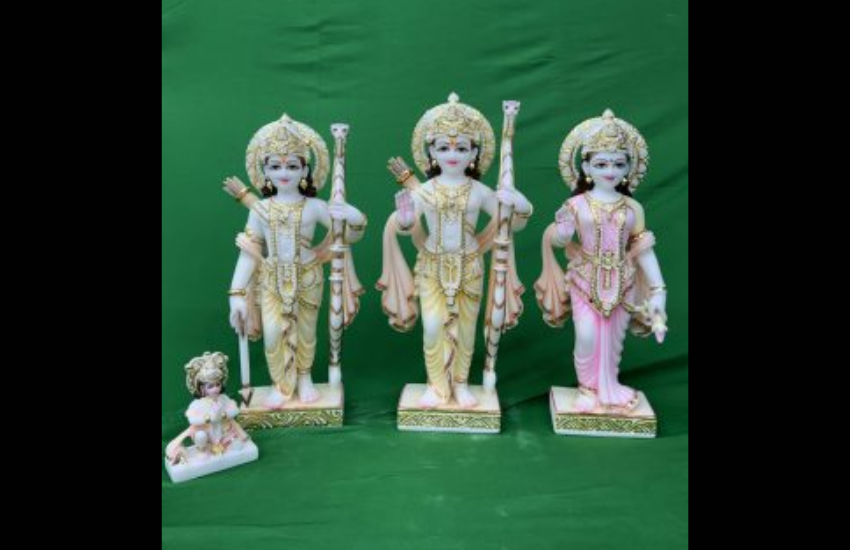
 The Ram Darbar holds a special place in Hindu homes and hearts. It represents the divine family of Lord Rama, Goddess Sita, Lord Lakshman, and Lord Hanuman—an eternal symbol of love, devotion, loyalty, and righteousness. More than just a sacred idol, Ram Darbar reflects the values that build a strong and harmonious family.
In this beautiful depiction, Lord Rama stands as the embodiment of truth and dharma, while Goddess Sita represents purity, strength, and unwavering devotion. Lord Lakshman symbolizes loyalty and dedication, and Lord Hanuman is the ultimate example of selfless service and faith. Together, they portray the ideal relationship between family members—built on trust, respect, sacrifice, and unconditional love.
Keeping a Ram Darbar statue at home is believed to bring positivity, unity, and spiritual strength. It serves as a daily reminder of the importance of family bonds and moral values. When placed in the home temple or living space, it inspires members of the household to practice compassion, patience, and mutual care.
In essence, Ram Darbar is not just a religious symbol; it is a reflection of an ideal home where every individual feels loved, protected, and supported.
Who is Lord Rama? The Story of Maryada Purushottam
The Ram Darbar is an attractive representation of Lord Vishnu and his family. Lord Rama is the seventh incarnation of Lord Vishnu, and his wife Sita is his perpetual consort and the embodiment of love and virtue. In addition to his divine beauty, Lord Rama’s virtues and good character have earned him the name Maryada Purshottam. Similarly, his sons Lakshman and Hanuman are ideal brothers. In addition, they represent good health, protection from illness, and knowledge of the universe.
The wall-hung Ram Darbar Idol was crafted by artisans in India. The idol depicts Lord Sri Ram, Goddess Sita, Hanuman Ji, and Lord Lakshman. It symbolizes the bond between the four members of a family, and is extremely auspicious. The devotion and love this idol brings will benefit the entire family. Not only will the wall-hanging Ram Darbar represent the divine presence, but it will also enhance self-confidence and provide the guiding light needed to lead a fulfilling and happy life.
Who is Mata Sita? The Divine Consort of Lord Rama
If you are looking for a unique gift for your children, why not present them with a handmade Mata Sita Ram Darbar? It is the perfect way to celebrate your daughter’s upcoming marriage! Sita’s MATA figurine is made from 100% solid brass and features Lord Rama and Hanuman. The entire assemblage represents the essence of the Ramayana and is the perfect decoration for our child’s room.
In addition to Mata Sita, you can also add the figures of Lord Hanuman, Laxman, and Shanuman to your Ram Darbar. Traditionally, the group includes Lord Rama, Lord Laxman, and the righteous devotee, Hanuman. These figures symbolize good health, protection from diseases, and knowledge of the world. A Ram Darbar Puja will bring good luck to your home and will enhance domestic harmony.
Who is Lord Laxman? Life and Devotion in the Ramayana
The Ram Darbar consists of Lord Ram, Lord Laxman, Maa Sita, and Lord Hanuman. Each one represents a different quality of life. These deities are represented by marble statues. Marble statues are highly sought after and are available in various styles, including Murtis, which depict the figures in different poses. They are also made with exquisite gold work, and are one of the most beautiful statues available.
A ram darbar is a popular Hindu home decoration and is considered a symbol of domestic harmony and good fortune. When worshipped, these statues emit happiness. They keep jealousies and negativity at bay. By placing these idols in strategic locations, a ram darbar can help prevent these problems and bring good luck and happiness into our home. If we want our families to have a peaceful home, placing a ram darbar idol in the front of the house is a perfect way to do this.
Who is Lord Hanuman? The Devoted Servant of Lord Rama
If you have a devotion for Lord Hanuman and Lord Ram, it is a good idea to have a statue of them in your home. They are both powerful incarnations of the Almighty God and are regarded as powerful protectors. It is also believed that Lord Hanuman can make people fearless. In fact, some people say that Lord Hanuman is the greatest of them all!
In our home, we can find two types of Lord Hanuman. The first is the traditional idol of Lord Ram, which is a wall hanging. It depicts Lord Hanuman with the Goddess Sita. It shows family unity and provides protection from the harmful effects of Saturn and Mars. In addition, it helps to calm the nerves of children and is very beneficial in improving family wealth. Hence, a wall hanging idol of Lord Hanuman is a great way to bring spiritual energy into your home.
Understanding the Bond of Lord Rama, Sita, Laxman & Hanuman
The Ram Darbar depicts the most cherished figures of Hinduism, Lord Lakshman, Lord Hanuman and the ever-faithful Goddess Sita. They represent the perfect union of soul and life purpose. In addition, the Ram Darbar shows Laxman as an ideal companion and Lord Hanuman as the perfect devotee. The Lord is regarded as the Supreme Protector of His devotees.
Lord Lakshman, Rama, Goddess Sita Mata, Lord Hanuman, and a fan are all part of the Ram Darbar. The purpose of the Pooja is to achieve divine blessings, as well as to balance one’s mind, emotions, and soul. It can also help in protecting the worshipper from negative energy and opens the way for prosperity. Besides, it is the most auspicious ritual in Hinduism.
Why Rama, Sita, Laxman, and Hanuman Hold a Special Place in Our Homes
The significance of Ram Darbar is deeply rooted in Hindu tradition and continues to hold meaning even in modern life. Lord Rama, believed to be the seventh incarnation of Lord Vishnu, symbolizes righteousness (dharma), truth, and the perfect balance between the soul and its life purpose. His life story teaches us how to live with integrity, responsibility, and compassion.
In the divine image of Ram Darbar, Lord Rama is seen along with Goddess Sita, Lord Lakshman, and Lord Hanuman. Together, they represent ideal relationships and powerful virtues. Lord Rama stands for leadership and moral strength, Goddess Sita for purity and devotion, Lord Lakshman for loyalty and commitment, and Lord Hanuman for faith, courage, and selfless service. This sacred representation is often associated with blessings of good health, protection from negativity, and spiritual wisdom.
Ram Darbar literally means “the royal court of Lord Rama.” In some depictions, it also includes devoted followers like Sugriva, symbolizing friendship and unity. Each divine figure carries unique spiritual energy that is believed to protect the home and promote harmony among family members.
Traditionally, Ram Darbar is shown in a standing posture, highlighting strength, stability, and readiness to uphold dharma. Placing a Ram Darbar idol or image in the home temple or living space is considered auspicious. It serves as a daily reminder to live with honesty, love, and devotion while fostering peace and positivity within the household.
More than a religious symbol, Ram Darbar reflects the values that create a strong, happy, and spiritually aligned family.